
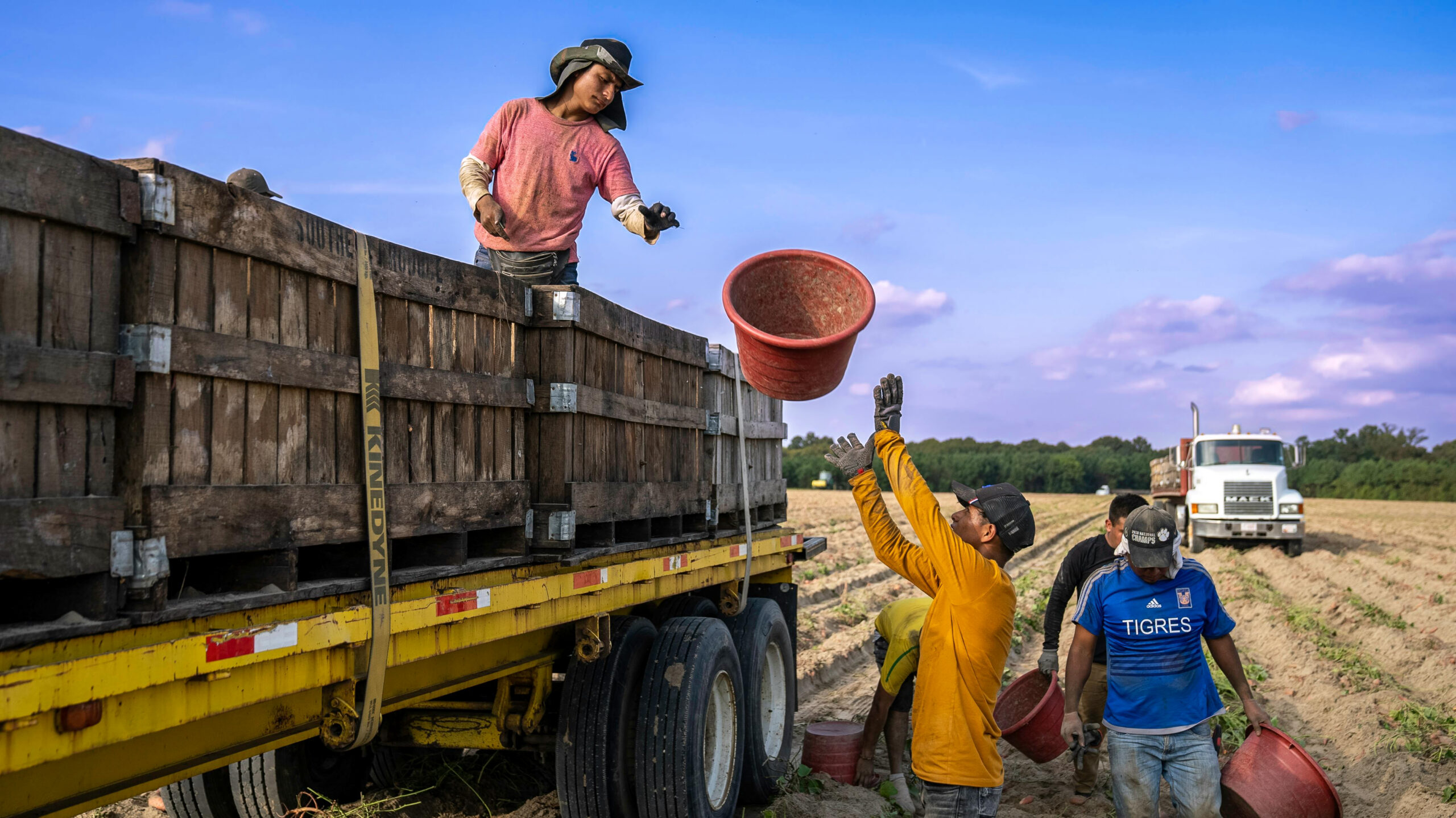
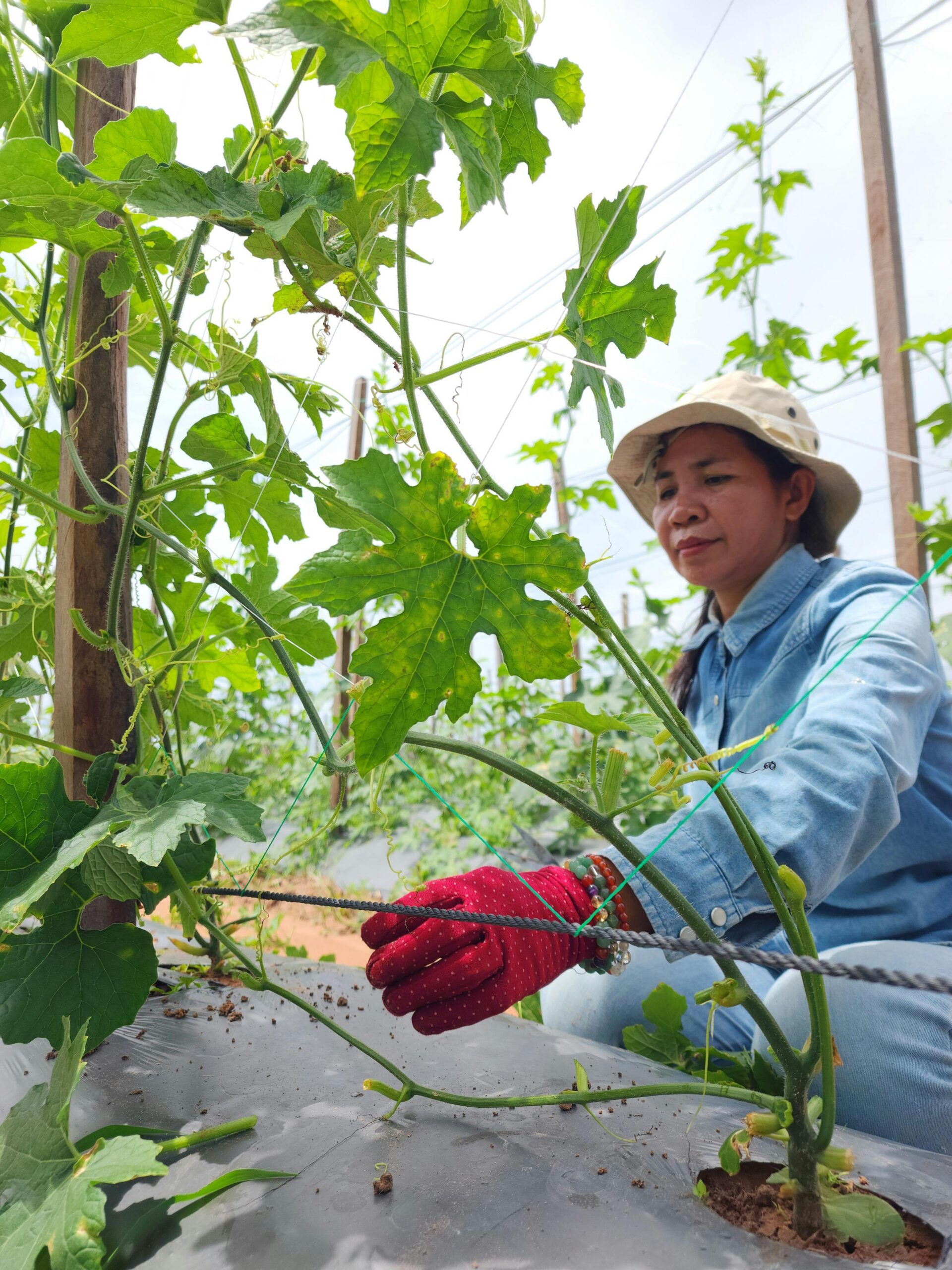
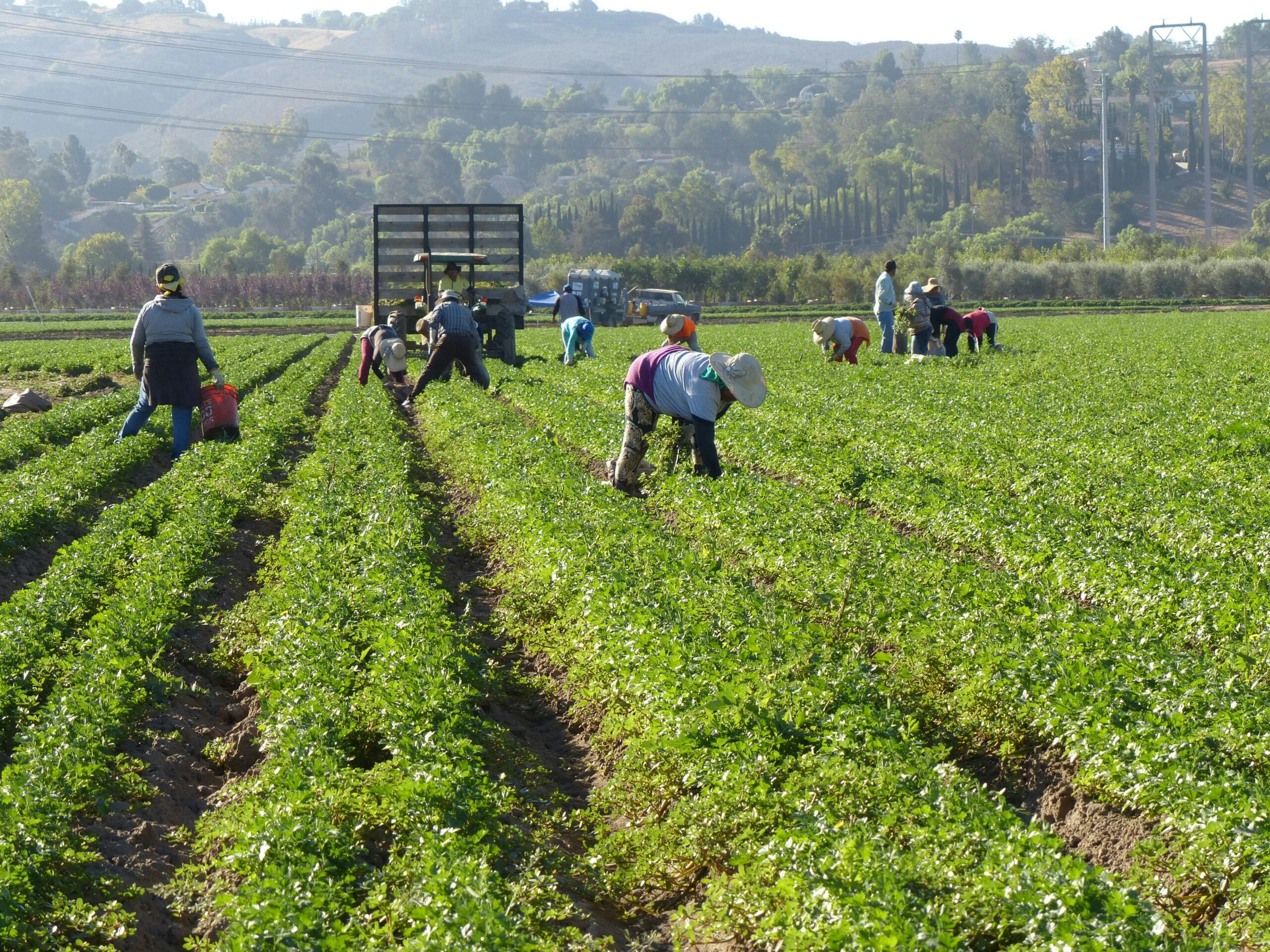
In California, we rely on food and farm workers for the food that fuels our state and economy. However, many of these workers—including those from immigrant communities—face financial hardship and other challenges related to seasonal and migratory work.
From 2022 to 2024, United Ways of California (UWCA) worked in partnership with 15 California United Ways to distribute one-time $600 cash relief payments to more than 60,000 California food and farm workers. These payments, under the United States Department of Agriculture (USDA) Farm and Food Worker Relief (FFWR) program, were intended as partial compensation for the financial hardship this population endured during the COVID-19 pandemic, when we relied on food and farm workers to be in person as frontline workers, putting their health at risk and requiring additional expenses for safety precautions.
We conducted a survey to assess the program’s performance and impact and to learn about other needs of food and farm workers. More than 8,000 beneficiaries completed the entire survey, giving us significant data to learn from.
As we see with refundable tax credits and guaranteed income programs, this program showed that providing flexible cash to working families makes a significant difference in their financial security.
“For me and my family, the help of the program was a great support since they covered some of the basic household expenses and needs and payments that were owed.”
— Farm and Food Worker Relief recipient
Key Findings
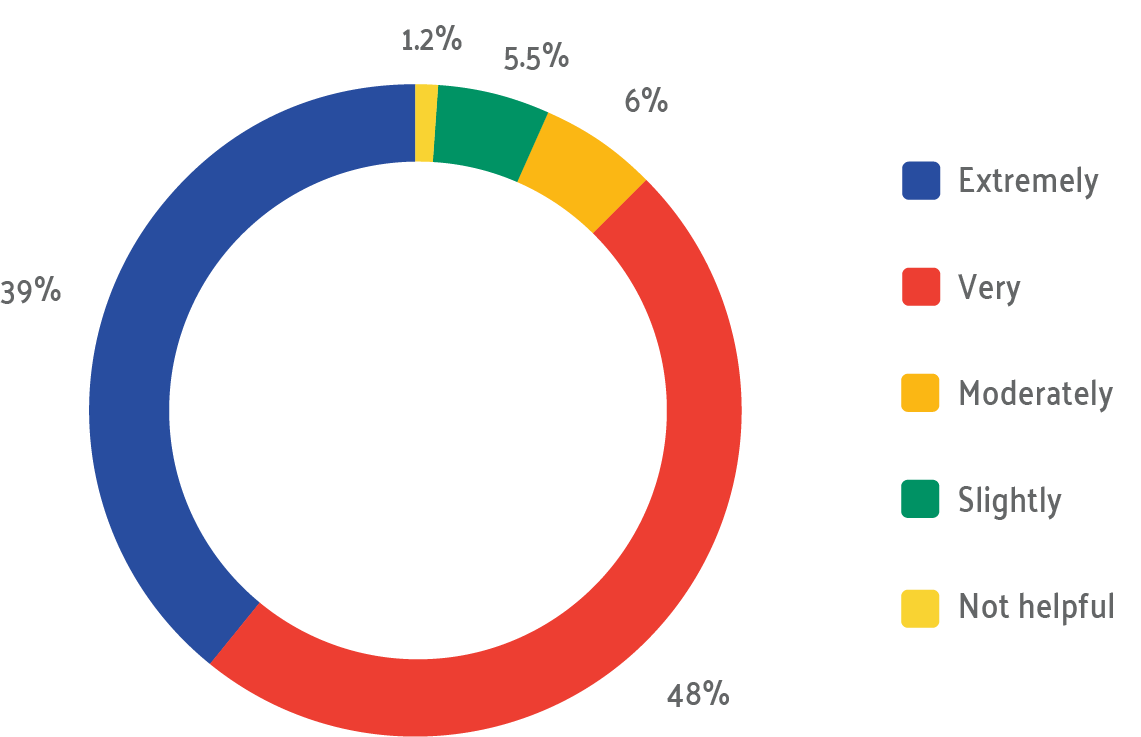
87% of survey respondents rated the relief as extremely or very helpful.
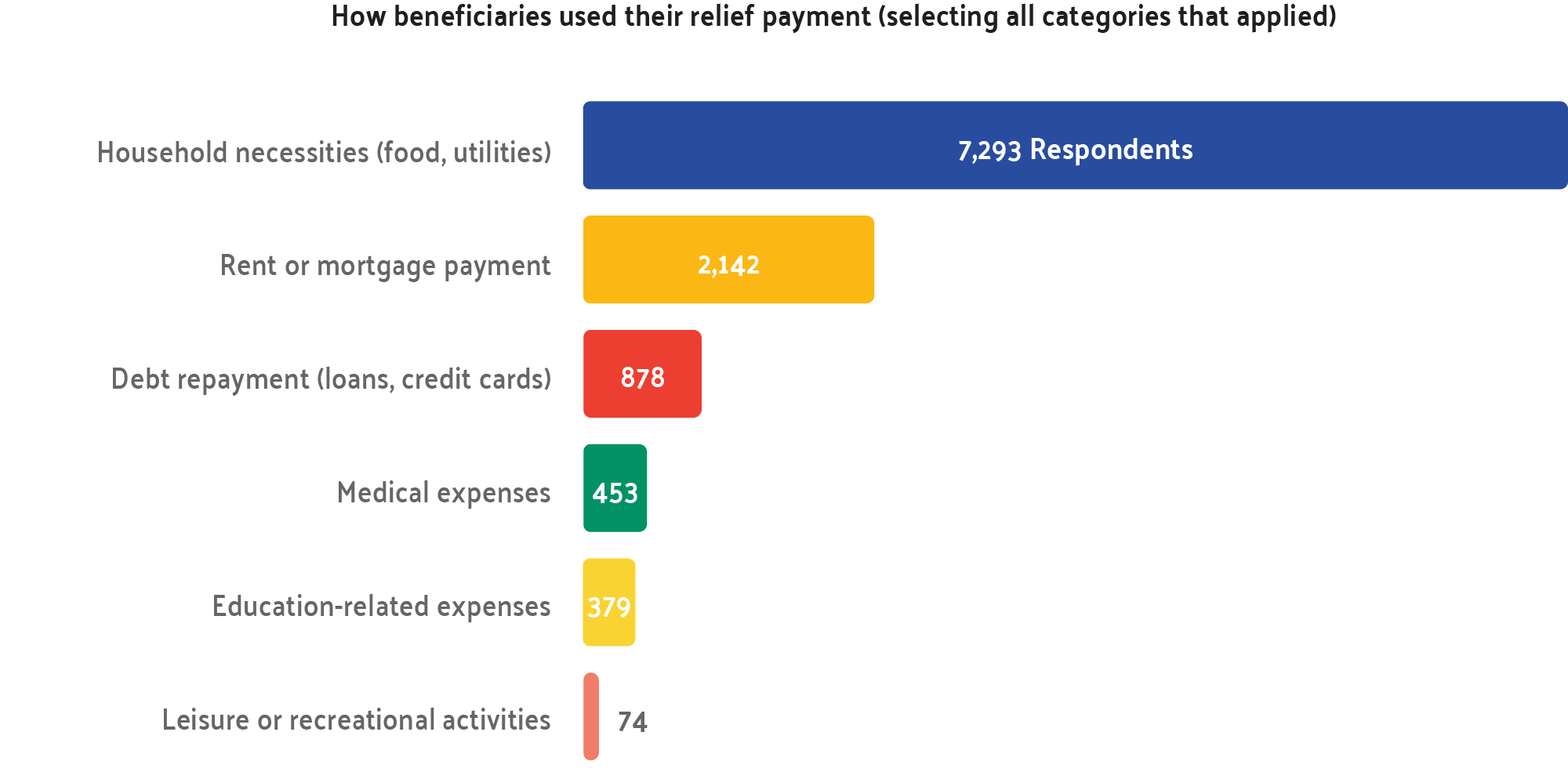
Relief payments helped survey respondents meet basic needs through immediate financial support, reduce financial hardship in times of crisis, bridge income gaps caused by seasonal work, and feel valued and appreciated.
98% of survey respondents reported using at least part of the $600 relief payment for essential household needs, such as food and utilities.
“For me and my family, the help of the program was a great support since they covered some of the basic household expenses and needs and payments that were owed.”
— Farm and Food Worker Relief recipient
99.5% of survey respondents reported a very good or good overall experience with the program.
85% of respondents reported receiving their payment in six weeks or less from first contact with the program.
Engagement of the local United Way partners as trusted messengers in their communities was key to the success of this program. We worked with and through 15 local United Ways, all who have deep relationships with local residents and community-based organizations (CBOs). They also have many years of experience providing other programs and services to the targeted population–in this case, primarily immigrant, Spanish-speaking, underserved community members. Local United Ways designed and implemented their own outreach strategy, relying on existing relationships and the most effective ways to reach and service workers in their communities.
This locally tailored outreach and intake process was successfully paired with a single, rigorous application management process after submission, helping streamline the payment process and ensure grant requirements were met.
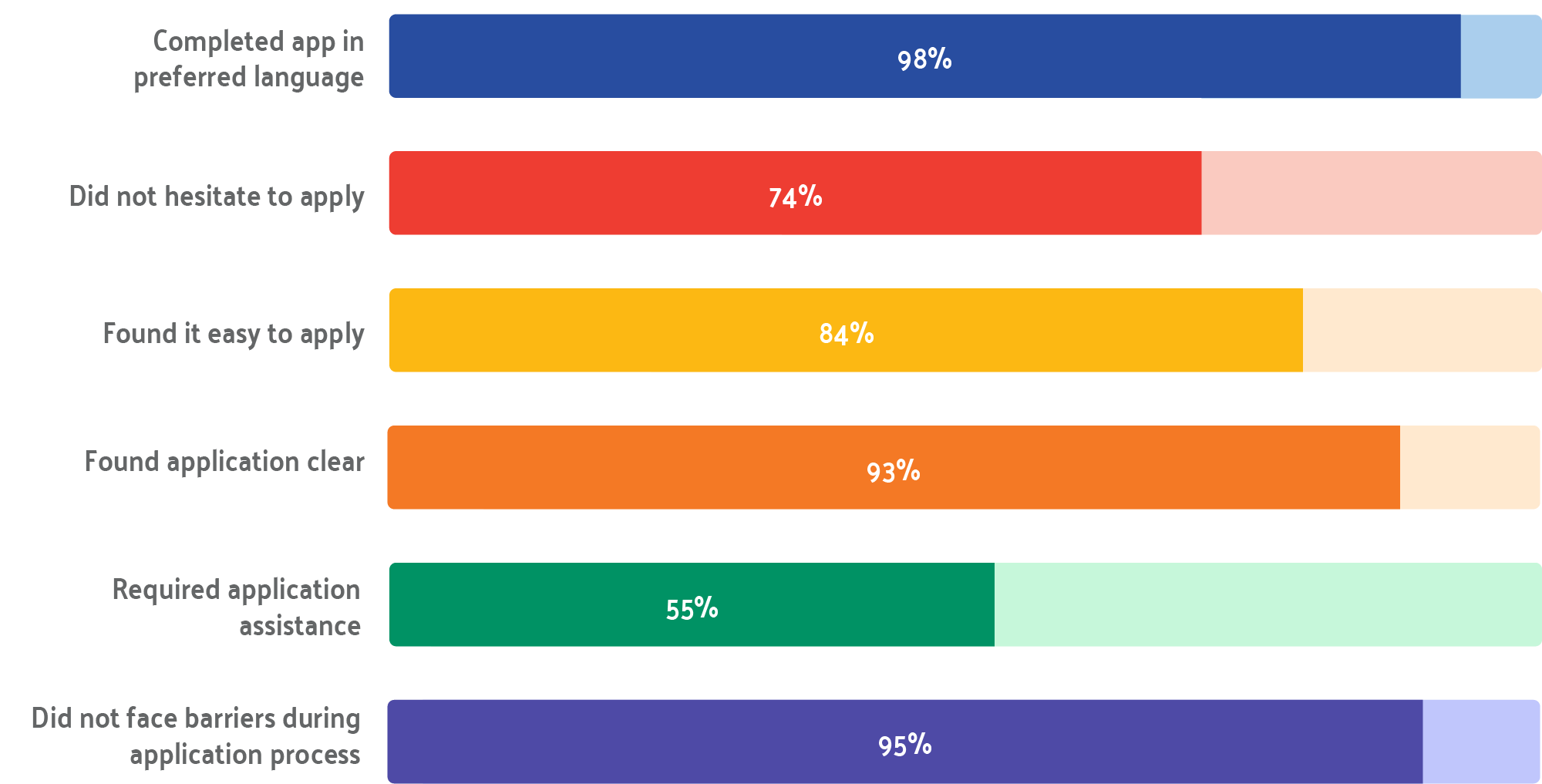
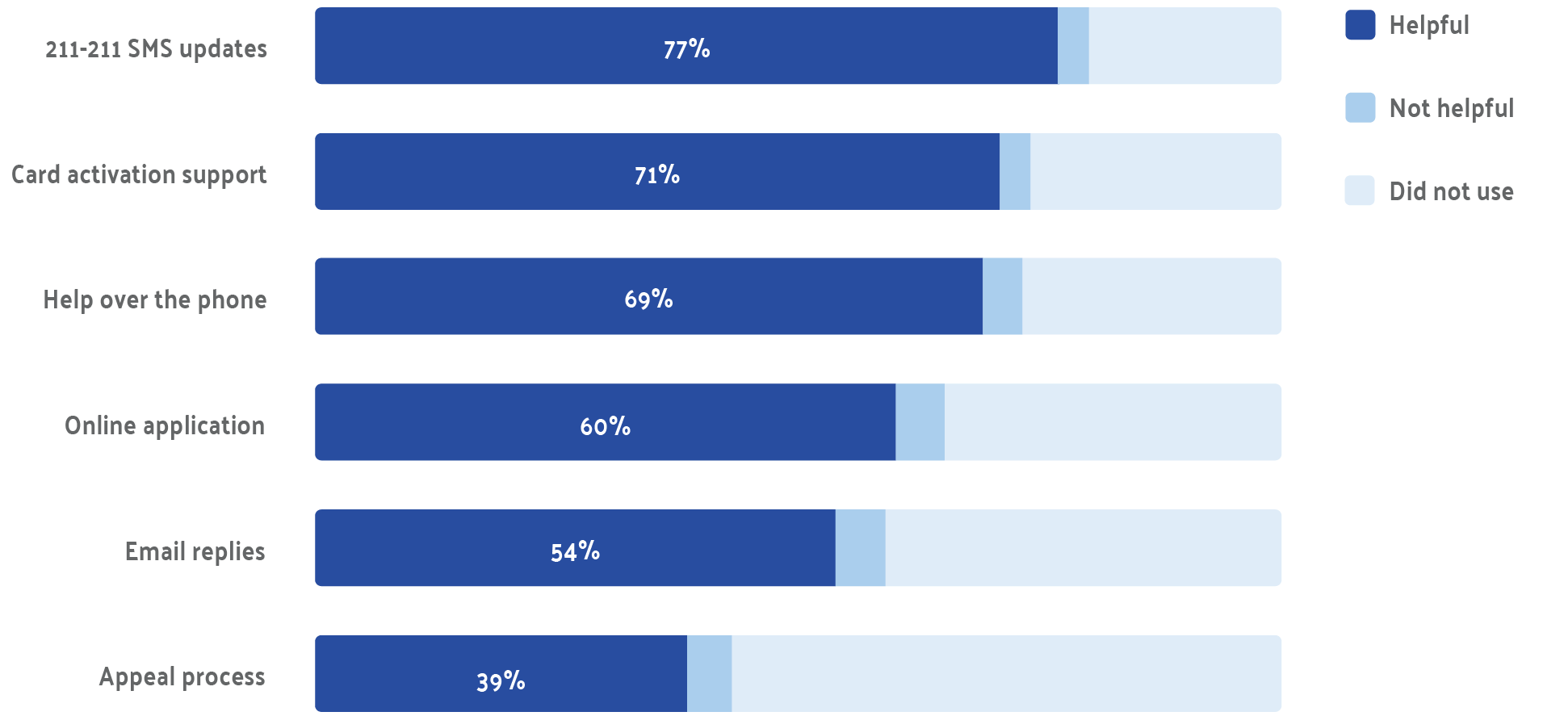
55% of respondents required assistance submitting their applications, indicating the importance of such a resource. Respondents identified that the most helpful and utilized program support services were text message updates about their application status (77%), payment card activation support (71%), and phone assistance (69%).
Nearly half (48%) of respondents expressed a strong interest in free or low-cost internet access, highlighting a significant need. This is especially a need in rural areas where many field farm workers reside, as internet reception can be unreliable. Other resource needs identified include free tax preparation (30% of respondents), health care and insurance (27%), and banking services (8%).

While many farm and food workers face barriers to traditional banking services, 70% of survey respondents indicated they use in-person checking and savings accounts, with a growing interest in alternative solutions. 22% reported using money transfer services, and 34% said they would be interested in banking cards to send and receive cash payments.

“For me and my family, the $600 relief was a huge help, especially at a time when there are no jobs due to rain storms.”
— Farm and Food Worker Relief recipient
“The payment helped me with expenses I had for electricity and water bills, as well as buying school supplies for my children.”
— Farm and Food Worker Relief recipient
Participating California United Ways
United Ways of California’s 15 local United Way partners for the FFWR program were:
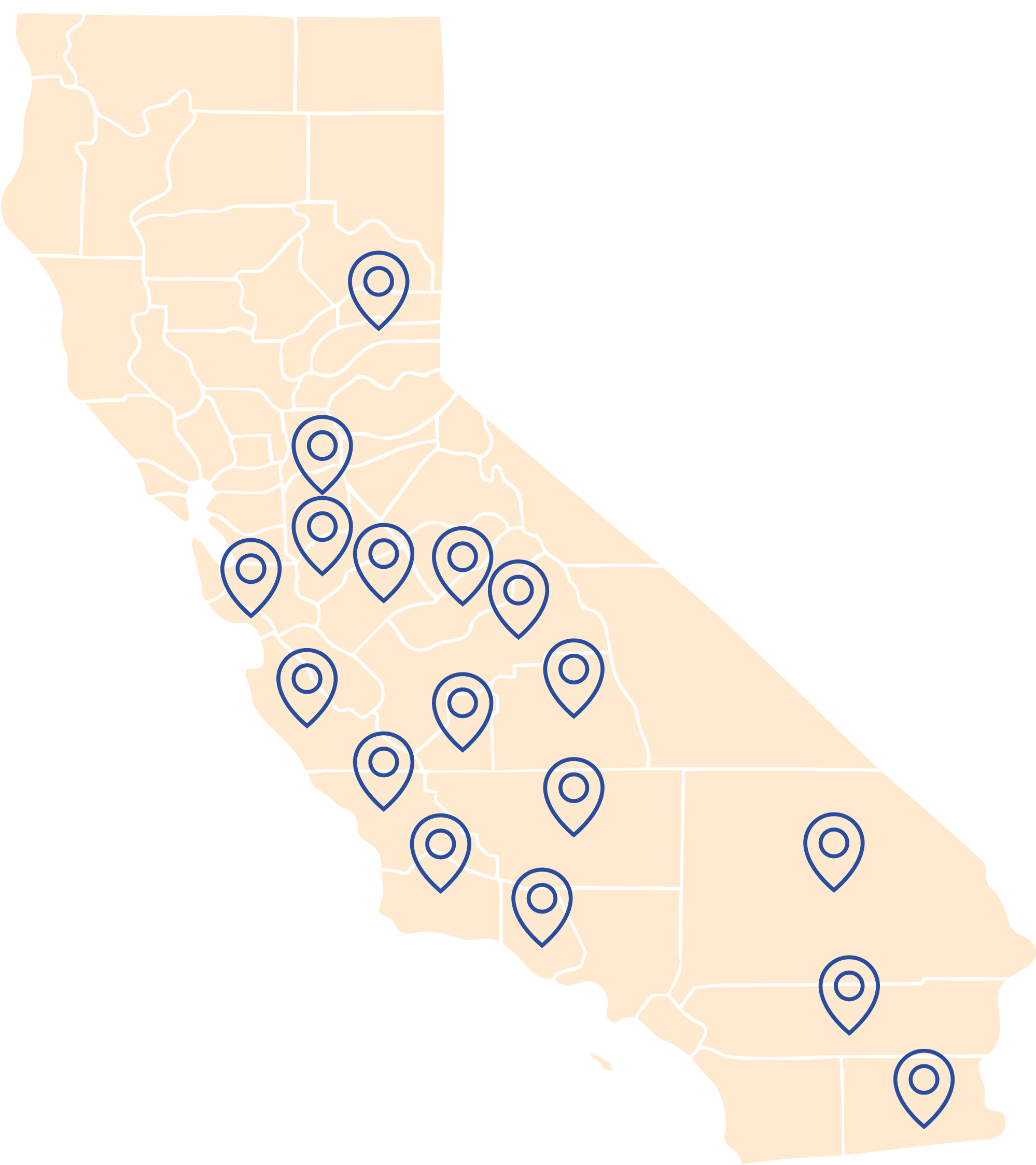
- Inland Southern California United Way
- Kings United Way
- Northern Santa Barbara County United Way
- United Way of Central Eastern California
- United Way Fresno and Madera Counties
- United Way of Imperial County
- United Way of Merced County
- United Way Monterey County
- United Way of Nevada County
- United Way of San Joaquin County
- United Way of San Luis Obispo County
- United Way of Santa Cruz County
- United Way of Stanislaus County
- United Way of Tulare County
- United Way of Ventura County
In addition to delivering much-needed cash support to hard-working food and farm workers, the program provided an opportunity for California United Ways to strengthen relationships with this population and connect them with other resources.
“Through our participation in the Food and Farm Worker Relief program, we gained valuable insights into the lives of the farmworkers. We discovered that many young families with children qualify for our ITIN services and child tax credits. As a result, we continue working with them to file tax returns and provide these vital ITIN services, ensuring they receive the benefits they are entitled to.”
— Eddie Taylor, CEO, Northern Santa Barbara County United Way
Highlights from Local United Ways’ Outreach Strategies
With Fresno and Madera Counties being home to one of the most extensive agricultural sectors in the country and one of the largest agricultural worker populations in the state, United Way Fresno and Madera Counties (UWFM) was our largest local partner, generating about 40% of our total applications. To reach over 25,000 agricultural workers who met the eligibility criteria and streamline the application process, UWFM used its existing relationships with local agricultural companies. The companies opened their doors for UWFM to set up registration centers, providing access to their workers for intake interviews and even providing the proof of employment documentation required by USDA. The employers, with the support of UWFM, helped the workers with technical support, ensuring each worker had continual support from the start to the end of the process. Additionally, UWCA worked with UWFM to set up bulk payment card shipments directly to the employers for direct and secure distribution. Once employers distributed payment cards to the beneficiaries, a code was sent to the beneficiary’s phone via text for card activation and immediate use. UWFM’s program strategy proved so effective that, even though it committed to supporting the largest application number out of all of our partners, it was one of the first to complete its commitment.
With the largest agricultural worker population in the Central Coast, composed of mostly monolingual non-English speakers, Northern Santa Barbara United Way (NSBUW) knew that community members would likely need personalized support with applications and translation. As a first step, NSBUW’s outreach strategy relied on social media for information dissemination. With the use of Facebook, news of the program spread quickly. Then, to assist applicants in an organized and orderly manner and to support translation needs, NSBUW used a by-appointment-only system, relying on face-to-face intake interviews at their local offices with in-language support. Each application was completed with the assistance of an NSBUW-trained staff member, and all supporting documentation was verified and scanned onsite against an NSBUW background that provided an additional layer of security. Their meticulous work not only streamlined the process, it also made it possible to determine with precision the number of applications that would be completed by a certain date, and it led to almost no application issues or payment delays.
With a large agricultural population residing in remote areas of the county, workers in Tulare faced challenges with transportation and time away from work to apply. So, UWCA and United Way of Tulare County (UWTC) devised a safe and secure way for applicants to apply and submit the required documentation remotely. UWTC was flooded with calls after community members learned of the program through television, radio, and online. After screening applicants by phone to ensure eligibility, UWTC let applicants know what they would need to apply and provided them with instructions. UWTC relied on the use of tokenized URLs that were sent to applicants via text or email. For security, the links had time and access restrictions. Applicants accessed the online form using their phone or another device, input the personal information, and uploaded documents by taking snapshots with their phones. UWTC’s remote operation not only facilitated a way to support workers who would otherwise not apply, but it allowed them to rely on only a few staff members to service many applicants.
Everyone deserves the opportunity to afford a decent standard of living and build a healthy financial future.
United Ways of California and local United Ways across the state are helping hard-working Californians make ends meet while connecting them with the financial resources, education, and tools to support them in creating a better, more sustainable future for themselves and their loved ones.
Learn more about how we do this financial security work: